Information
Landmark: Krusedol MonasteryCity: Novi Sad
Country: Serbia
Continent: Europe
Krusedol Monastery, Novi Sad, Serbia, Europe
Overview
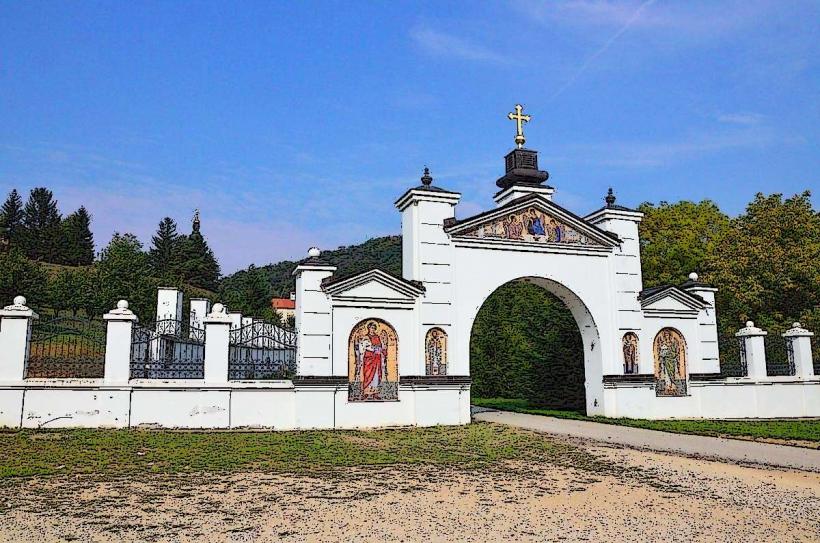
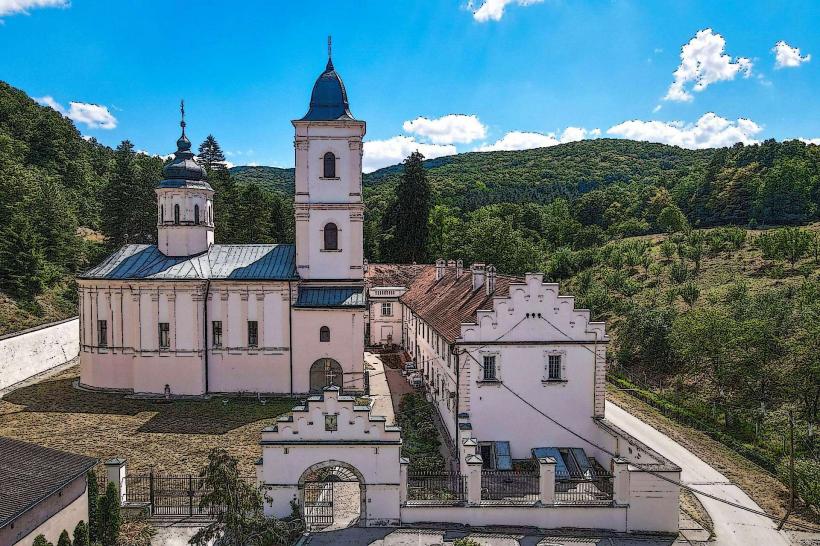
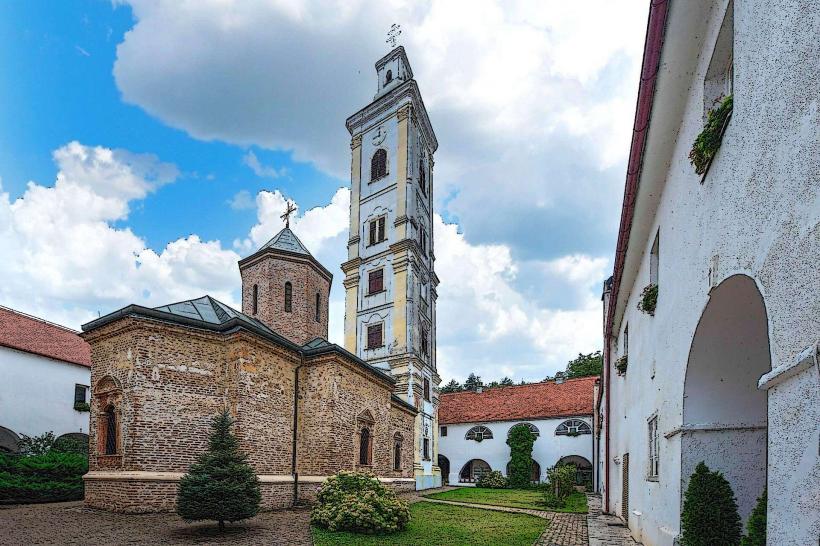
Perched on the green slopes of Fruška Gora, a mountain and national park in northern Serbia, the Krušedol Monastery (Serbian: Manastir Krušedol) stands as one of the most significant and history-filled Serbian Orthodox monasteries, just a short drive from the town of Sremski Karlovci, in turn people acknowledge the monastery for its deep spiritual roots, its role in local traditions, and the graceful stone arches that catch the light at sunset, more or less For centuries, it’s stood as a vital spiritual heart of the Serbian Orthodox Church, its stone walls echoing with chants, and as a powerful symbol of the region’s Serbian religious heritage, in addition in 1509, the Branković family-one of Serbia’s most prominent noble houses-founded the Krušedol Monastery, led by Vladislav and his wife, whose bloodline traced directly to the Serbian royal family.Originally built as a family mausoleum and a destination of worship, it soon grew into one of the region’s key spiritual centers, in conjunction with over the centuries, Serbian rulers placed it under their protection, and its importance in Orthodox Christianity solidified when bishops and other clerics made it their home.As it turns out, Krušedol became more than a sanctuary-it was also alive with learning, art, and the quiet scratch of quills on parchment, also during the Ottoman occupation, it became a heart of Serbian Orthodox Christianity, drawing the community together in times of political and religious turmoil; later, it stood as a key site for the Serbian Patriarchate of Karlovci, the spiritual center for Serbs in the Habsburg Monarchy after the fall of the medieval Serbian state, even as the monastery weathered long years of neglect and the sound of stones falling from its walls.Even under Austrian rule, it stood as a stubborn emblem of Serbian resilience, and in the 18th century the monastery rose again in elegant Baroque lines, in addition over the years-especially in the 19th century and late 20th-it has been restored many times to protect its history and stonework.Today, pilgrims still light candles in its halls, while visitors pause to admire its layered past, alternatively the monastery itself is a striking example of Serbian medieval architecture, blending Byzantine grace, Romanesque solidity, and Baroque flourish.Its central church, dedicated to the Annunciation of the Holy Virgin, crowns the complex with a soaring dome, rich frescoes, a high altar, and a gilded iconostasis, meanwhile inside, vivid 16th- and 17th-century frescoes by renowned Serbian artists cover the walls, showing scenes from Christ’s life, the Virgin Mary’s story, and portraits of saints and Serbian rulers; outside, the monastery’s tall bell tower rises like a sentinel over Krušedol.As it happens, Built in the early 18th century, this baroque landmark looks out over the rolling slopes of Fruška Gora, its white walls catching sunlight from miles away and guiding visitors toward the monastery it marks-a venue that also serves as the resting ground for Serbian nobility, consequently within the monastery’s stone walls lie the graves of several prominent Branković family members and other key figures from Serbian history, including Patriarch Arsenije III and King Milan I, whose resting destination here speaks to Krušedol’s weight as both a spiritual and political hub; even today, the church echoes with chants during regular services and liturgies.Krušedol has long stood at the heart of the Serbian Orthodox tradition, drawing pilgrims from across Serbia and the wider Balkans, not only that monks there keep ancient practices alive, their voices rising in solemn hymn and their hands turning the worn pages of centuries-heritage liturgical books, a little The monastery itself is a living gallery of Serbian religious art, simultaneously its frescoes, icons, and manuscripts hold deep cultural and historical importance, treasured not just in Serbia but across the Orthodox Christian world.It seems, In a dim, quiet library, rare manuscripts and sacred texts draw scholars eager to explore Serbian medieval history and Christian theology, consequently for centuries, the monastery has welcomed pilgrims to its gates.Truthfully, People from near and far visit Krušedol to pray, seek guidance, and feel the weight of its centuries-classical history, and during festivals-especially the Annunciation feast day-the grounds fill with the sound of bells and the movement of large, joyful crowds, marking one of the region’s most necessary religious events.Nestled on the slopes of Fruška Gora about 20 kilometers from Novi sorrowful, it’s an easy drive from the city or nearby Sremski Karlovci, and the monastery’s quiet setting invites you to breathe in the scent of pine while you take in its spiritual and historic beauty, and it welcomes visitors year-round.Keep in mind, the monastery is still an active locale of worship, so visitors should follow the rules of conduct inside its sacred halls, where the smell of incense often lingers in the air, to boot there’s no set admission fee, but donations help fund its upkeep and restoration, perhaps You know, If you’d like to dive deeper into its history, architecture, and cultural significance, guided tours are available, equally important monks or local guides, steeped in the monastery’s rich history, usually lead these tours.Set in the heart of Fruška Gora National Park, the monastery makes a perfect starting point for exploring forested trails, nearby centuries-classical monasteries, and the park’s rolling green hills, therefore krušedol Monastery remains a true cultural and spiritual treasure.
Author: Tourist Landmarks
Date: 2025-09-02